
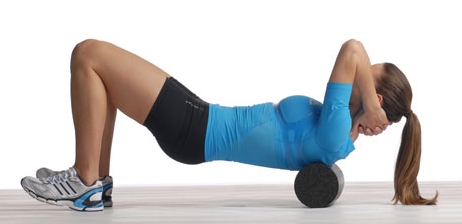
While I’m not the biggest fan of foam rollers because I feel there are better alternatives, they do have a role to play in assisting with alleviating symptoms of lower back pain. Majority of us experience a certain degree or level of lower back pain and discomfort at some point in our lives so it’s important to understand the best available options for appropriately managing it when needed. Besides consulting with a musculoskeletal professional such as a Chiropractor, Physiotherapist, Osteopath, Myotherapist or Remedial Massage practitioner you may wish to try other options including exercise, heat/ice, pharmacological medications or even a foam roller.
Foam rollers are primarily used by recreational gym users as well as amateur and elite athletes. Their specific and unique design allows them to be applied to various areas of the body to assist with achieving a variety of results. The major uses of a foam roller include relieving postural stress, reducing muscle spasm, enhancing flexibility, targeting soft tissue trigger points and reducing spinal or lower back pain. Personally I like using foam rollers from a postural perspective as they effectively open the chest and allow full body relaxation.
How To Use A Foam Roller To Target Lower Back Pain
There are numerous positions and routines that you can use to target lower back pain on a foam roller. For specific positions please see the above video.
Is Self Myofascial Release Effective?
Self myofascial release is simply using a object or your hands to give yourself a massage to a specific area. Foam rollers are particularly effective for this as you can tailor the amount of pressure that you use within your pain tolerance levels. Not only are foam rollers used for improving lower back pain but you will see individuals using them through the muscles of the buttocks, quadriceps, hamstrings, groins, calves, shins, thoracic spine, rotator cuff, chest, triceps and more. To achieve greater pinpoint specificity, you may wish to use a massage ball which are available in different sizes and degrees of firmness. These objects are fantastic for targeting specific tight muscles which a foam roller may not be able to reach.
Where Can You Purchase A Foam Roller?
Majority of sporting outlets like Rebel stock foam rollers, otherwise try Ebay, Kmart and Big W. You will see that our clinic stocks a variety of sizes and shaped foam rollers at our product stand. If you would like further information about lower back pain, foam rollers or another health problem please contact us via email at [email protected] or by calling 1300-003-777.
Recent Comments