Cervical Spine Radiculopathy – Neck Pain That Travels Into the Arm, Hand or Fingers
Cervical spine radiculopathy occurs when a nerve root in the neck becomes irritated, inflamed or compressed as it exits the cervical spine.
Unlike uncomplicated neck pain, cervical radiculopathy can produce symptoms that travel away from the neck and into the shoulder, arm, forearm or hand. Depending on the affected nerve root, symptoms may include pain, pins and needles, numbness, altered sensation or weakness. Common causes include cervical disc herniation or protrusion, age-related changes to the cervical discs and joints, and narrowing of the neural foramen where the spinal nerves exit the spine.
For many people, cervical radiculopathy improves with appropriate non-surgical management. However, neurological symptoms need to be assessed carefully because progressive weakness, significant neurological deterioration or signs of spinal cord involvement require medical assessment rather than simply treating the condition as routine neck pain.
What Is Cervical Radiculopathy?
The spinal cord travels through the spinal canal within your cervical spine. At each level of the neck, spinal nerve roots branch away from the spinal cord and travel into the shoulder and upper limb. Cervical radiculopathy occurs when one of these nerve roots becomes irritated or compressed.
This can affect:
- Pain
- Sensation
- Muscle strength
- Reflexes
- Movement and function
Symptoms may occur on one side or, less commonly, both sides. Importantly, cervical radiculopathy is a clinical condition, meaning that the presence of a disc bulge or degenerative changes on an MRI does not automatically mean that those findings are responsible for someone’s symptoms. The clinical examination needs to be considered alongside imaging findings where imaging is appropriate.
Common Causes Of Cervical Radiculopathy
Several different changes within the cervical spine can contribute to nerve-root irritation.
Cervical Disc Herniation
A cervical disc can protrude or herniate and reduce the available space around a nerve root. Disc-related radiculopathy can sometimes develop relatively suddenly and may occur following lifting, repetitive loading or an awkward movement, although symptoms can also develop without an obvious injury.
Cervical Foraminal Narrowing
The neural foramen is the opening through which a spinal nerve exits the cervical spine. Degenerative changes, disc changes and bony enlargement can reduce the available space within this opening.
Cervical Spondylosis
Age-related changes to the cervical discs and joints can contribute to narrowing around the nerve roots. These changes are extremely common and do not necessarily cause symptoms.
Other Causes
Less commonly, nerve-root symptoms can be associated with:
- Spinal trauma
- Cervical instability
- Inflammatory conditions
- Infection
- Tumour or other space-occupying lesions
These less common causes are one reason an appropriate clinical assessment is important.
What Does Cervical Radiculopathy Feel Like?
Symptoms vary depending on which cervical nerve root is involved.
A person may experience:
- Neck pain
- Pain between the shoulder blades
- Shoulder pain
- Pain travelling down the arm
- Burning or electric-like pain
- Pins and needles
- Numbness
- Altered sensation
- Arm or hand weakness
- Reduced grip strength
- Changes in reflexes
Some people experience relatively little neck pain but significant arm symptoms. The symptoms may be aggravated by particular neck positions or movements, although presentation varies considerably between individuals.
Cervical Radiculopathy Symptoms By Nerve Root
The exact pattern is not always textbook, but different nerve roots commonly produce different neurological patterns.
| Nerve root | Common symptom pattern |
|---|---|
| C4 | Neck/upper shoulder region |
| C5 | Shoulder and lateral upper arm; possible deltoid weakness |
| C6 | Lateral arm/forearm toward the thumb and index finger |
| C7 | Posterior arm/forearm toward the middle finger; possible triceps weakness |
| C8 | Medial forearm toward the ring and little fingers; possible hand/finger weakness |
| T1 | Medial forearm/hand with possible intrinsic hand weakness |
These patterns are useful clinical guides rather than rigid rules. Nerve-root symptoms can overlap, and peripheral nerve problems can sometimes produce similar symptoms.
Cervical Radiculopathy vs Carpal Tunnel vs Ulnar Nerve Problems
Not every case of arm or hand tingling originates from the neck. Similar symptoms can occur with peripheral nerve entrapments such as:
- Carpal tunnel syndrome
- Ulnar nerve irritation
- Radial nerve problems
- Brachial plexus disorders
Shoulder conditions can also produce arm pain that may initially resemble cervical radiculopathy. A thorough assessment therefore considers the neck, neurological system, shoulder and peripheral nerves, rather than assuming that all arm symptoms originate from the cervical spine.
How Is Cervical Radiculopathy Diagnosed?
Diagnosis usually begins with a detailed history and physical examination.
A clinician may assess:
Neurological Function
This can include:
- Muscle strength
- Sensation
- Reflexes
- Coordination
- Grip function
- Relevant myotomes and dermatomes
Cervical Movement
Neck movements can help identify positions that reproduce or modify symptoms.
Neural Sensitivity
Specific neurological tests can be used to assess whether the nerves of the upper limb demonstrate increased mechanosensitivity.
Shoulder and Peripheral Nerve Assessment
The shoulder and peripheral nerves may also be assessed to determine whether another condition better explains the symptoms.
Imaging
Imaging is not automatically required for every person with cervical radiculopathy. MRI may become appropriate when symptoms are persistent, severe, atypical or associated with significant neurological findings, or when the results would influence further management. An MRI can demonstrate disc protrusions, degenerative changes and foraminal narrowing, but imaging findings must be interpreted alongside the clinical presentation.
Do You Need An MRI?
Not necessarily. Cervical degenerative changes are common, particularly with increasing age, and an MRI may identify abnormalities that are not actually producing symptoms. For someone with a straightforward presentation that is improving and without concerning neurological findings, immediate imaging may not change management. On the other hand, imaging becomes considerably more important when there are:
- Progressive neurological deficits
- Significant or persistent weakness
- Severe or worsening symptoms
- Signs suggesting spinal cord involvement
- Significant trauma
- Suspicion of serious underlying pathology
- Symptoms that are not improving as expected
The decision should be based on the individual clinical presentation.
Cervical Radiculopathy & The Spinal Cord
One of the most important distinctions is between radiculopathy and cervical myelopathy.
Radiculopathy
A nerve root is affected.
Symptoms may include:
- Arm pain
- Numbness
- Pins and needles
- Dermatomal sensory changes
- Muscle weakness
- Reflex changes
Myelopathy
The spinal cord itself is affected.
This can produce more widespread neurological symptoms, including:
- Loss of hand dexterity
- Difficulty with buttons or fine motor tasks
- Changes in walking or balance
- Leg stiffness or weakness
- Changes affecting both arms or legs
- Increasing coordination problems
Suspected cervical myelopathy requires prompt medical assessment.
Cervical Radiculopathy Red Flags
Most cases of cervical radiculopathy are not emergencies, but certain symptoms should not be ignored.
Seek urgent medical assessment if you experience:
- Rapidly progressing weakness
- Significant loss of strength in the arm or hand
- New problems with walking or balance
- Increasing clumsiness or loss of hand coordination
- Symptoms affecting multiple limbs
- Significant neurological deterioration
- Severe symptoms following significant trauma
- Fever or systemic illness alongside severe neck pain
- Unexplained weight loss or other systemic symptoms
- Other symptoms suggesting serious underlying disease
These presentations require appropriate medical investigation rather than simply continuing conservative treatment.
Can Cervical Radiculopathy Get Better Without Surgery?
Yes. The natural history of cervical radiculopathy is generally favourable, with many people experiencing substantial improvement through non-operative management. Significant improvement commonly occurs during the first several months, although recovery can continue for considerably longer. Research has reported that approximately 75–90% of patients may improve with non-operative management, although outcomes vary between studies and individual presentations. This does not mean that symptoms should simply be ignored. The goal is to identify the likely pain and neurological drivers, manage aggravating factors, maintain appropriate activity and progressively restore capacity.
Treatment For Cervical Radiculopathy
Treatment should be individualised according to:
- The severity of symptoms
- Neurological findings
- Irritability
- Duration of symptoms
- Functional limitations
- Physical demands
- Response to loading and movement
- Relevant imaging findings
- Presence or absence of neurological progression
For many people, conservative management is appropriate as the initial approach.
1. Education & Activity Modification
Understanding the condition can be an important part of recovery. Rather than completely avoiding movement, the aim is generally to identify activities that aggravate symptoms and temporarily modify them while maintaining appropriate physical activity. Prolonged inactivity can contribute to deconditioning and may make the return to normal activity more difficult.
2. Exercise Rehabilitation
Progressive rehabilitation can address:
- Cervical movement
- Thoracic mobility
- Scapular control
- Cervical and upper-quarter strength
- General physical capacity
- Neural sensitivity
- Work and activity tolerance
Exercise selection should be based on the person’s presentation rather than applying one generic exercise program to every case. The evidence supports exercise-based rehabilitation as part of conservative management, although the optimal combination and sequencing of individual interventions remains uncertain.
3. Manual Therapy
Manual therapy may be incorporated into a broader rehabilitation program where clinically appropriate. Depending on the presentation, treatment may target the cervical spine, thoracic spine, shoulder girdle or surrounding soft tissues. It should generally be considered as one component of a broader management strategy rather than the sole treatment. Evidence for individual manual therapy techniques in cervical radiculopathy remains mixed, so treatment should be guided by the individual’s response and overall rehabilitation goals.
4. Cervical Traction
Cervical traction is sometimes used to temporarily reduce mechanical loading around the cervical spine. Some patients report symptom relief with traction, while research examining its effectiveness has produced mixed results. It should therefore be viewed as a potential adjunct rather than a guaranteed treatment.
5. Neural Mobilisation
Where appropriate, controlled neural mobilisation may form part of rehabilitation for patients demonstrating neural mechanosensitivity. This should be carefully dosed because an already irritable nerve can respond poorly to excessive stretching or loading. The objective is not to aggressively “stretch the nerve”, but to gradually restore comfortable movement and tolerance.
6. Medication
A medical practitioner or pharmacist can advise on appropriate medications for pain and inflammation. Medication may sometimes assist symptom control sufficiently to allow a person to participate more effectively in rehabilitation. Medication choices should take into account the individual’s medical history, other medications and contraindications.
When Is Surgery Considered?
Surgery is not required for most people with cervical radiculopathy. However, surgical assessment may become appropriate when there is:
- Progressive neurological deficit
- Significant or persistent motor weakness
- Severe symptoms that remain disabling despite appropriate conservative care
- Structural compression that correlates with the clinical presentation
- Spinal cord involvement
- Another condition requiring surgical management
Surgery can provide faster symptom relief in appropriately selected patients, particularly when symptoms are severe, but conservative care remains an important first-line option for many presentations without progressive neurological deterioration. The decision should be made with an appropriately qualified medical specialist after considering the individual’s neurological status, imaging and goals.
How Long Does Cervical Radiculopathy Take To Recover?
There is no single recovery timeline. Some people improve substantially within the first few weeks, while others require several months of progressive rehabilitation. Research suggests that substantial improvement commonly occurs within approximately 4–6 months, while recovery can continue beyond this period.
The recovery timeline can be influenced by:
- Severity of nerve irritation
- Presence of neurological deficit
- Degree of mechanical sensitivity
- Disc or degenerative changes
- Physical workload
- Sleep and stress
- General fitness
- Duration of symptoms
- Response to treatment
A good rehabilitation program should therefore progress according to symptom behaviour and functional recovery, rather than forcing every person into an arbitrary fixed timeframe.
The Vitality Approach To Cervical Radiculopathy
At Vitality Chiropractic Australia, our approach is centred around identifying the factors contributing to your symptoms and developing a progressive plan designed around your presentation.
Rather than simply treating the location of your pain, we consider:
1. The Irritability of the Condition
Highly irritable nerve-root symptoms may require a different starting point from a chronic presentation with relatively low symptom sensitivity.
2. Neurological Function
Changes in strength, sensation and reflexes are important considerations when determining the appropriate management pathway.
3. Movement and Loading
The goal is not simply to make the neck feel better temporarily, but to progressively restore comfortable movement and physical capacity.
4. Upper-Quarter Function
The cervical spine, thoracic spine, shoulder girdle and upper limb function as an integrated system.
5. Long-Term Capacity
As symptoms improve, rehabilitation should progress beyond symptom management toward restoring strength, endurance, confidence and tolerance to normal activities.
The Cervical Radiculopathy Recovery Blueprint™
For people who want a structured rehabilitation pathway, Vitality Chiropractic Australia is developing a dedicated Cervical Radiculopathy Recovery Blueprint™.
The Blueprint is designed to provide a comprehensive, progressive framework covering the major components of recovery, including:
- Understanding cervical radiculopathy
- Symptom monitoring
- Activity modification
- Movement restoration
- Progressive strengthening
- Upper-quarter rehabilitation
- Neural mobility considerations
- Return-to-work and activity strategies
- Long-term capacity development
- Relapse and flare-up management
The full Recovery Blueprint contains the detailed rehabilitation framework, progression strategy and practical implementation guidance and is available as a premium downloadable resource.
The aim is not simply to reduce symptoms — it is to progressively rebuild your capacity and confidence so you can return to the activities that matter to you.
Vitality Recommended Recovery Tools
The right equipment can make a home rehabilitation program easier to implement and more consistent.
Essential Recovery Tools
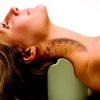
A cervical positioning and postural support device that may be incorporated into an appropriately designed cervical rehabilitation program.
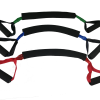
Useful for progressive resistance strengthening and improving overall cervical spine lordosis.
Suitable for individuals seeking additional pain relief from tight surrounding neck muscles.
Optional Comfort & Support Products
Depending on the individual’s presentation, additional support or recovery products may be appropriate.
Products should complement—not replace—a properly assessed rehabilitation program.
When Should You See A Chiropractor?
Consider an assessment if you have:
- Neck pain travelling into your arm
- Persistent pins and needles
- Arm or hand numbness
- Unexplained upper-limb weakness
- Reduced grip strength
- Symptoms that change with neck position
- Recurrent episodes of arm pain associated with neck symptoms
- Difficulty returning to normal work, exercise or daily activities
A comprehensive assessment can help determine whether the symptoms are consistent with cervical radiculopathy or whether another condition may better explain them. If significant or progressive neurological deficits are identified, appropriate medical referral should take priority.
SCHEDULE YOUR APPOINTMENT WITH VITALITY CHIROPRACTIC AUSTRALIA BY CLICKING HERE.
Cervical Spine Radiculopathy Frequently Asked Questions
Is cervical radiculopathy serious?
Cervical radiculopathy can be painful and may cause neurological symptoms, but most cases have a favourable natural history.
Progressive weakness, significant neurological deterioration or symptoms suggesting spinal cord involvement require medical assessment.
Can cervical radiculopathy cause tingling in the fingers?
Yes. Depending on the affected nerve root, symptoms can extend into different areas of the hand and fingers.
However, peripheral nerve entrapments can produce similar symptoms, so the source should be assessed rather than assumed.
Does cervical radiculopathy require surgery?
Usually not.
Many people improve with conservative management. Surgery may be considered when symptoms remain severely disabling, neurological deficits progress or there is significant structural pathology requiring surgical assessment.