Headache & Migraine Treatment In Melbourne
Headaches are common — but recurring headaches shouldn’t simply be accepted
Headaches can range from an occasional nuisance to a debilitating condition that interferes with work, exercise, sleep, concentration and quality of life. Importantly, “headache” is not a single condition. There are many different types of headache, and the most appropriate treatment depends on the type of headache, its pattern, associated symptoms and the factors contributing to it. Some headaches are strongly associated with the muscles and joints of the neck. Others, including migraine and cluster headache, involve more complex neurological mechanisms and may require medical management.
At Vitality Chiropractic Australia in Mill Park, Melbourne, we assess headaches from a musculoskeletal perspective while also considering the wider clinical picture. Where your symptoms suggest that medical investigation or another healthcare professional is more appropriate, we will recommend referral rather than assuming every headache is a chiropractic problem. Our goal is to determine what may be contributing to your headaches, what can be safely addressed through musculoskeletal care, and when further medical assessment is required.
What Is A headache?
A headache is pain or discomfort occurring in the head, scalp or upper neck. Headache disorders are broadly divided into primary headaches and secondary headaches.
Primary headaches
A primary headache is a condition in its own right rather than a symptom caused by another underlying disease. Common primary headache disorders include:
- Migraine
- Tension-type headache
- Cluster headache and other trigeminal autonomic cephalalgias
- Other less common primary headache disorders
Secondary headaches
A secondary headache occurs because of another underlying condition or factor. Examples include headaches associated with:
- Head or neck trauma
- Infection
- Medication overuse or withdrawal
- Vascular conditions
- Certain eye, ear, nose, sinus, dental or jaw disorders
- Other neurological or systemic conditions
This distinction matters because the correct diagnosis influences the appropriate treatment approach.
Headache vs Migraine: What’s The Difference?
The terms “headache” and “migraine” are often used interchangeably, but migraine is a specific neurological disorder.
Migraine
Migraine attacks may involve:
- Moderate to severe head pain
- Throbbing or pulsating pain
- Nausea or vomiting
- Sensitivity to light
- Sensitivity to sound
- Worsening with normal physical activity
- Visual, sensory or other neurological aura in some people
Migraine can occur with or without aura, and migraine patterns can vary substantially between individuals. Musculoskeletal factors such as neck pain or muscle tension may occur alongside migraine, but this does not mean that the neck is necessarily the underlying cause of the migraine.
Tension-type headache
Tension-type headaches commonly involve:
- Dull, pressing or tightening pain
- Mild to moderate intensity
- Pain on both sides of the head
- A sensation of pressure or a tight band around the head
- Neck or shoulder discomfort in some people
Unlike migraine, tension-type headaches are generally not accompanied by prominent nausea or significant sensitivity to light and sound.
Cervicogenic headache
A cervicogenic headache is a headache attributed to a disorder of the cervical spine or associated cervical structures.
It commonly presents as pain that:
- Begins in the upper neck or back of the head
- Can spread towards the forehead, temple or eye
- Is often one-sided, although this is not universal
- May be aggravated by particular neck movements or positions
- May occur alongside restricted cervical movement or neck pain
Cervicogenic headache is particularly relevant to chiropractic and musculoskeletal assessment because cervical joints, muscles and movement can form part of the clinical presentation. However, having neck stiffness or poor posture does not automatically mean that a headache is cervicogenic.
Types Of Headache
Understanding the type of headache you are experiencing is an important first step.
1. Tension-type headache
Tension-type headache is one of the most common primary headache disorders.
It may be associated with:
- Prolonged concentration
- Stress
- Sleep disruption
- Sustained physical or mental workload
- Neck and shoulder discomfort
- Muscle tenderness
For some people, exercise, physical activity, sleep improvements and appropriate musculoskeletal management may form part of a broader management strategy.
2. Migraine
Migraine is a neurological condition that can cause recurrent attacks of moderate to severe headache and associated symptoms.
A migraine attack may include:
- Throbbing head pain
- Nausea
- Vomiting
- Light sensitivity
- Sound sensitivity
- Visual symptoms
- Aura
- Fatigue or cognitive difficulties
Migraine management may involve medical assessment, medications, lifestyle strategies and identification of individual triggers. Where neck pain or musculoskeletal dysfunction occurs alongside migraine, addressing those factors may still be useful as part of a broader management plan.
3. Cervicogenic headache
Cervicogenic headache is a secondary headache attributed to structures within the cervical spine or surrounding tissues.
Possible contributing features include:
- Reduced cervical movement
- Neck pain
- Upper cervical joint dysfunction
- Muscle dysfunction
- Headache reproduced by specific cervical movements or physical examination findings
- Headache associated with sustained neck positions
This is one of the headache presentations where a detailed musculoskeletal assessment can be particularly useful. Research suggests that manual therapy and exercise-based approaches may provide benefit for some people with cervicogenic headache, although the quality and certainty of evidence varies and treatment should be individualised.
4. Cluster headache
Cluster headache is a distinct neurological headache disorder characterised by severe, usually one-sided pain, commonly around the eye or temple. Attacks can occur in clusters and may be accompanied by symptoms such as:
- Red or watery eye
- Nasal congestion or runny nose
- Drooping or swelling around the eye
- Restlessness or agitation
Cluster headache requires appropriate medical diagnosis and management. It is not simply a severe tension headache or a neck problem.
5. Headache Associated With The Jaw
Some people experience headache alongside temporomandibular disorders (TMD), jaw pain or jaw muscle dysfunction.
Potential associated symptoms include:
- Jaw pain
- Jaw clicking or locking
- Teeth grinding or clenching
- Facial pain
- Temple pain
- Pain when chewing
- Morning jaw or facial discomfort
Where jaw symptoms and headache occur together, assessment of the jaw, cervical region and surrounding musculature may be appropriate.
Read more: Jaw Pain & TMD
6. Medication-overuse Headache
Frequent use of acute headache medications can contribute to medication-overuse headache in susceptible individuals.
If headaches are becoming increasingly frequent and you are regularly relying on headache medication, medical assessment is recommended.
Medication should not simply be stopped or changed without appropriate professional advice.
What Can Contribute To Headaches?
Headaches can have many contributing factors. Depending on the type of headache, relevant factors may include:
Musculoskeletal factors
- Neck pain
- Reduced cervical mobility
- Sustained neck positions
- Jaw dysfunction
- Muscle tenderness
- Reduced muscular endurance
- Previous neck injury or whiplash
Lifestyle factors
- Poor sleep
- Irregular sleep schedules
- Stress
- Dehydration
- Skipping meals
- Reduced physical activity
- Excessive workload
Neurological factors
Some headache disorders, particularly migraine, involve neurological mechanisms that cannot be reduced to muscle tension or spinal mechanics.
Environmental and individual triggers
Depending on the person, headaches may be associated with:
- Bright light
- Strong smells
- Alcohol
- Hormonal changes
- Certain foods
- Stress
- Changes in sleep
- Changes in routine
A trigger for one person may not be a trigger for another. This is why keeping a headache diary can be useful when headaches are recurring.
Can Neck Problems Cause Headaches?
Sometimes — but it depends on the headache. The upper cervical region has close anatomical and neurological relationships with structures involved in head and facial pain. Cervical joints, muscles and nerves can therefore contribute to headache in some people.
This is particularly relevant in cervicogenic headache.
However, it is important not to assume that every headache is caused by the neck. For example, someone with migraine may also experience neck stiffness during an attack. In that situation, the neck symptoms may be part of the migraine rather than proof that cervical dysfunction caused the migraine.
This distinction is one of the reasons a proper assessment is important.
What Is A Cervicogenic Headache?
Cervicogenic headache refers to a headache attributed to a disorder of the cervical spine or its associated structures. A person with cervicogenic headache may experience:
- Pain beginning in the neck or base of the skull
- Pain spreading towards the forehead or temple
- Pain around or behind the eye
- Reduced neck movement
- Neck pain
- Headache aggravated by certain neck movements
- Headache associated with prolonged neck positions
- Increased sensitivity or tenderness around cervical muscles
A diagnosis should not be made simply because a person has neck stiffness. Instead, the clinician should consider the headache pattern, associated symptoms and findings from the physical examination.
Headaches & Posture
Posture is frequently blamed for headaches, but the relationship is more nuanced. There is no single “perfect posture” that prevents headaches.
However, spending long periods in one position can increase physical demand on the neck and shoulders, particularly when combined with poor movement variability, low muscular endurance or existing neck pain.
For some people, useful strategies may include:
- Changing position regularly
- Taking movement breaks
- Improving cervical and thoracic mobility
- Building neck and upper-back endurance
- Adjusting workstation setup
- Avoiding prolonged static positions
- Gradually increasing physical activity
The aim is not to force the spine into a particular “correct” position. Instead, we aim to improve movement capacity, strength, endurance and tolerance to everyday activities.
Read more: Posture
When should you seek medical attention for a headache?
Most headaches are not caused by a serious medical condition. However, certain headache presentations require prompt medical assessment. Seek urgent medical attention if a headache:
- Begins suddenly and reaches maximum intensity very quickly
- Is unusually severe or substantially different from previous headaches
- Occurs after significant head or neck trauma
- Is accompanied by weakness, numbness or difficulty speaking
- Is associated with confusion, fainting or significant altered consciousness
- Occurs with fever and marked neck stiffness
- Is accompanied by persistent vomiting or severe systemic illness
- Is associated with a new neurological or visual disturbance
- Develops during pregnancy or the postpartum period and is unusual or severe
- Is progressively worsening or changing substantially
- Occurs with other concerning neurological or systemic symptoms
These warning signs do not necessarily mean that a serious condition is present, but they warrant appropriate medical assessment. If you are experiencing a sudden, severe or unusual headache, seek urgent medical care rather than booking a routine chiropractic appointment.
How Are Headaches Assessed?
A headache assessment should begin with understanding the headache rather than immediately treating the neck. At Vitality Chiropractic Australia, we may ask about:
Your headache pattern
- When did the headaches begin?
- How often do they occur?
- How long does each episode last?
- Where is the pain located?
- What does the pain feel like?
- How severe is it?
- Does it occur on one or both sides?
- Does it travel from the neck towards the head?
Associated symptoms
We may ask about:
- Nausea
- Vomiting
- Light sensitivity
- Sound sensitivity
- Visual changes
- Dizziness
- Neurological symptoms
- Jaw symptoms
- Neck pain
Triggers and lifestyle
- Sleep
- Stress
- Workstation habits
- Exercise
- Hydration
- Meal patterns
- Medication use
- Previous injuries
- Physical activity
- Changes in headache frequency
Musculoskeletal assessment
- Cervical range of motion
- Thoracic mobility
- Cervical muscle function
- Neck and shoulder strength/endurance
- Joint movement
- Muscle tenderness
- Postural tolerance
- Movement patterns
- Jaw function
How Can Chiropractic Care Help With Headaches?
Chiropractic care may be appropriate for selected headache presentations, particularly where a musculoskeletal component has been identified. Treatment may include a combination of:
Manual therapy
Depending on the presentation, this may involve:
- Cervical or thoracic mobilisation
- Appropriate spinal manipulation
- Soft-tissue techniques
- Muscle release techniques
- Joint-specific techniques
Manual therapy should be selected according to the individual assessment rather than applied as a routine treatment for every headache. Evidence suggests manual therapy may help some people with cervicogenic headache, particularly in the short term, although the certainty of evidence varies.
Exercise rehabilitation
Exercise may focus on:
- Deep cervical muscle endurance
- Neck strength
- Upper-back strength
- Cervical mobility
- Thoracic mobility
- Shoulder control
- Postural endurance
- General physical activity
Exercise and manual therapy may also have a role in some primary headache disorders, although evidence varies considerably between headache types.
Education
We may help you understand:
- What may be contributing to your symptoms
- Which activities aggravate your headaches
- How to modify prolonged positions
- How to exercise safely
- How to monitor headache frequency
- When additional medical assessment may be appropriate
Headache Treatment Should Not Be One-Size-Fits-All
There is no single treatment that works for every headache. For example:
Cervicogenic headache:
Musculoskeletal assessment, manual therapy and exercise may be appropriate.
Tension-type headache:
Exercise, physical activity, sleep, stress management and selected manual therapy approaches may be useful.
Migraine:
Medical management and migraine-specific strategies may be central, with musculoskeletal care potentially used as an adjunct where neck or musculoskeletal symptoms are present.
Cluster headache:
Medical assessment and appropriate neurological management are essential.
Secondary headache:
Treatment should focus on identifying and managing the underlying cause.
This is why we don’t simply treat every headache with the same technique.
Headache Rehabilitation: Building Longer-term Resilience
For recurring headaches, the goal should not simply be to chase symptoms every time they appear. Where appropriate, rehabilitation may focus on improving:
- Cervical strength
- Neck endurance
- Thoracic mobility
- Shoulder strength
- Movement variability
- Workstation tolerance
- Sleep positioning
- Exercise capacity
- Self-management skills
The emphasis is on helping you become more confident managing your own condition rather than becoming dependent on passive treatment.
Headache Rehabilitation Program — Coming Soon
A structured program for people with recurring headaches and neck-related contributors
We are developing a dedicated Headache Rehabilitation Program for patients who want a structured approach to improving neck strength, mobility, posture tolerance and self-management.
The program is intended for people whose assessment suggests that musculoskeletal factors may be contributing to their headaches, particularly those experiencing recurring tension-type or cervicogenic headache patterns.
The program will progressively address:
- Cervical mobility
- Deep neck strength
- Neck endurance
- Upper-back strength
- Shoulder control
- Postural endurance
- Mobility breaks
- Sleep and recovery habits
- Headache tracking
- Long-term self-management
Headache Rehabilitation Program coming soon.
Recommended Products For Headache & Neck-Related Headache Support
Home-care products should be considered adjuncts to an appropriate assessment and rehabilitation plan, rather than treatments for headaches themselves. Our recommendations are particularly relevant where headaches occur alongside neck pain, cervical stiffness, postural intolerance or sleep-related neck discomfort.
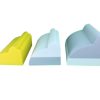
Cervical Denneroll
The Cervical Denneroll is a cervical rehabilitation device designed to provide controlled support during specific cervical extension exercises. It may be considered as part of a structured rehabilitation program for selected people with:
- Cervical stiffness
- Reduced cervical extension
- Forward-head posture
- Neck-related headache symptoms
- Postural intolerance
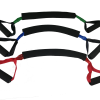
Prolordotic Neck Exerciser
The Prolordotic Neck Exerciser provides a way to perform targeted cervical strengthening and endurance exercises. It may be useful when the rehabilitation goal includes:
- Neck strength
- Cervical endurance
- Postural endurance
- Improved neck muscle control
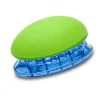
TRIAID Neck Device
The TRIAID Neck Device can be incorporated into selected cervical mobility and rehabilitation programs. It may be useful for people working on:
- Cervical mobility
- Neck movement
- Rehabilitation
- Postural endurance
EverTrac Cervical Traction Device
Cervical traction is not appropriate for everyone and should not be used simply because someone experiences headaches. Where clinically appropriate, a traction device may form part of a cervical rehabilitation strategy for selected patients with neck-related symptoms.
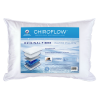
Chiroflow Original Fibre Water Pillow
Sleep quality and sleeping position can influence neck comfort for some people. The Chiroflow pillow provides adjustable support that can be customised by changing the amount of water within the pillow. It may be considered by people who experience:
- Morning neck stiffness
- Sleep-related neck discomfort
- Difficulty finding a comfortable pillow
- Neck-related headache symptoms
Denneroll Neck Pillow
The Denneroll Neck Pillow is designed to provide specific cervical support during sleep. It may be considered where pillow positioning and overnight neck comfort are relevant to an individual’s symptoms.
What Can You Do At Home To Help Manage Headaches?
Depending on your headache type, useful general strategies may include:
Keep a headache diary
- Date and time
- Duration
- Intensity
- Location
- Associated symptoms
- Sleep
- Food and fluid intake
- Exercise
- Stress
- Menstrual cycle where relevant
- Medications
- Potential triggers
This can help identify patterns and provide useful information for your healthcare practitioner.
Move regularly
If your headaches are associated with prolonged sitting or neck discomfort, regular movement breaks may be more useful than trying to maintain one rigid “perfect” posture throughout the day.
Build physical capacity
Regular exercise can form part of headache management for some people. The type and intensity should be appropriate to your current fitness, symptoms and headache presentation.
Prioritise sleep
Aim for a consistent sleep routine and a comfortable sleeping environment.
Stay hydrated and eat regularly
Dehydration and missed meals may contribute to headaches in some individuals.
Manage stress
Stress is a common contributor to headache burden, although it is not necessarily the sole cause. Strategies such as regular exercise, relaxation, breathing exercises and appropriate psychological support may be useful.
When Chiropractic Care May Be Appropriate
Chiropractic care may be worth considering when headaches occur alongside:
- Neck pain
- Cervical stiffness
- Reduced neck movement
- Upper-back discomfort
- Jaw symptoms
- Postural intolerance
- Headaches associated with specific neck movements
- Headaches following a musculoskeletal injury
- Recurring tension-type headache patterns
The purpose of assessment is to determine whether these factors are clinically relevant to your headache presentation.
When chiropractic care may not be the right first step
Chiropractic care is not appropriate as a substitute for medical assessment when a headache may be associated with:
- A serious neurological condition
- Acute infection
- Significant vascular disease
- Unexplained neurological symptoms
- A new severe headache
- Significant trauma
- A rapidly changing headache pattern
- Other concerning systemic symptoms
In these situations, appropriate medical assessment takes priority.
Why Choose Vitality Chiropractic Australia For Headache Care?
At Vitality Chiropractic Australia, we don’t believe every headache should be treated as a neck problem. Our approach is based on:
Individual assessment
We first establish what your headache is like and whether there are relevant musculoskeletal contributors.
Evidence-informed care
Treatment is selected according to your presentation rather than applying a standard protocol to every patient.
Rehabilitation
Where appropriate, we combine hands-on treatment with exercises designed to improve strength, mobility and physical capacity.
Education
We want you to understand your symptoms and have strategies you can use outside the clinic.
Appropriate referral
If your symptoms suggest that further medical investigation is required, we will recommend that you seek appropriate medical care.
Headache Treatment In Mill Park, Melbourne
If you’re experiencing recurring headaches, neck-related headaches or headaches associated with neck pain and stiffness, an assessment can help determine whether there is a musculoskeletal component worth addressing. Vitality Chiropractic Australia is located in Mill Park, Melbourne, and provides chiropractic care and musculoskeletal rehabilitation for appropriate headache presentations.
Frequently Asked Questions About Headaches
Can a chiropractor help with headaches?
A chiropractor may be able to help with selected headache presentations, particularly when a musculoskeletal component such as neck pain, reduced cervical movement or cervical dysfunction is identified.
However, not every headache is appropriate for chiropractic treatment. Migraine, cluster headache and secondary headaches may require medical management or investigation.
Can neck problems cause headaches?
Neck problems can contribute to some headaches, particularly cervicogenic headache. However, neck pain and headache occurring together does not automatically mean that the neck is the cause.
What does a cervicogenic headache feel like?
Cervicogenic headache commonly involves pain arising from the neck or back of the head and travelling towards the forehead, temple or eye.
It may be associated with neck pain, reduced neck movement or aggravation with particular neck positions or movements.
Is poor posture causing my headaches?
Posture can be one contributing factor for some people, but there is no single posture that can be labelled as the cause of all headaches.
Rather than trying to hold yourself rigidly upright all day, improving movement variability, strength, endurance and tolerance to sustained positions is often a more useful approach.
Can a pillow cause headaches?
An unsuitable pillow or uncomfortable sleeping position may contribute to morning neck discomfort in some people, which may coexist with headache.
However, a pillow is unlikely to be the underlying cause of every recurring headache. Find additional information regarding our range of Cervical Support Pillows here.
Important Information
The information on this page is provided for general educational purposes and is not a substitute for individual medical diagnosis or treatment.
Headaches have many possible causes. Chiropractic and musculoskeletal care may be appropriate for selected headache presentations but is not suitable for every headache disorder.
If you experience a sudden, severe, unusual or rapidly changing headache, or headache accompanied by concerning neurological or systemic symptoms, seek appropriate medical attention.
About The Chiropractor
James Allen — Chiropractor
James Allen is the owner and chiropractor at Vitality Chiropractic Australia in Mill Park, Melbourne. His approach to headache care focuses on identifying relevant musculoskeletal contributors, providing appropriate evidence-informed treatment and helping patients develop the strength, mobility and self-management strategies needed for longer-term improvement. Headaches can have many different causes, so assessment also includes consideration of symptoms that may require medical investigation or referral.