Costochondritis & Rib Pain Treatment In Melbourne
Pain around the ribs or chest wall can be uncomfortable and concerning. Many people experiencing rib pain worry about serious conditions involving the heart or lungs, and these concerns should always be taken seriously.
Costochondritis is one possible cause of rib and chest wall pain. It involves irritation of the cartilage where the ribs connect to the breastbone (sternum), commonly causing localised tenderness and pain that may worsen with movement, deep breathing, coughing, twisting or pressure over the affected area.
At Vitality Chiropractic Australia in Mill Park, Melbourne, we assess rib and chest wall symptoms by considering the full clinical picture, identifying possible musculoskeletal contributors and determining whether conservative care is appropriate or whether medical referral is required.
What Is Costochondritis?
Costochondritis is irritation of one or more costochondral joints — the areas where the ribs connect with the sternum through cartilage.
The condition is considered a musculoskeletal chest wall pain disorder and commonly affects the upper ribs near the front of the chest.
The exact cause is often unclear, but symptoms may develop following:
- Heavy lifting
- Repetitive upper-body activity
- Exercise strain
- Persistent coughing
- Chest trauma
- Increased stress on the rib cage
- Poor tolerance to certain movements or positions
Costochondritis is usually self-limiting, although symptoms can sometimes persist for weeks or longer.
Common Symptoms Of Costochondritis & Rib Pain
Symptoms may include:
Localised rib tenderness
Pain is often felt where the ribs meet the sternum and may be reproduced by pressing over the affected area.
Sharp or aching chest wall pain
People commonly describe:
- Sharp stabbing sensations
- Aching discomfort
- Tightness
- Pressure around the ribs
Pain aggravated by movement
Symptoms may increase with:
- Deep breathing
- Coughing or sneezing
- Twisting
- Reaching overhead
- Exercise
- Certain sleeping positions
Types of Rib Pain That We Assess
Not all rib pain is caused by costochondritis. Other possible contributors include:
Costochondral irritation
Pain originating from the rib-to-sternum joints.
Rib joint dysfunction
Irritation or reduced movement of the joints where ribs connect with the thoracic spine.
Thoracic spine-related pain
The joints, muscles and nerves of the mid-back can refer pain around the ribs.
Intercostal muscle strain
The muscles between the ribs may become irritated following:
- Sporting activities
- Heavy lifting
- Sudden movements
- Coughing episodes
Postural and movement-related rib pain
Reduced thoracic mobility, prolonged sitting and altered movement patterns may contribute to increased stress through the chest wall.
Rib Pain vs Costochondritis
“Rib pain” is a symptom rather than a specific diagnosis. Pain around the ribs may come from a number of different structures, including:
Rib joints: The joints connecting the ribs with the spine and sternum can become irritated or painful following injury, repetitive loading or altered movement.
Muscles: The intercostal muscles between the ribs and other muscles surrounding the chest and upper back can become overloaded or strained, contributing to back pain.
Costal cartilage: Irritation around the cartilage connecting the ribs to the sternum can produce symptoms consistent with costochondritis.
Thoracic spine: Problems involving movement or irritation in the upper and mid-back can sometimes contribute to pain perceived around the ribs or chest wall.
Nerves: Irritation of nerves supplying the chest wall can produce burning, shooting, tingling or other unusual sensations.
Injury: Falls, impacts, sporting injuries and heavy lifting can cause rib or chest-wall injuries.
Internal organs: Heart, lung, gastrointestinal and other medical conditions can produce chest or rib-area pain.
This is why persistent or unexplained chest pain deserves appropriate medical assessment rather than being automatically labelled as a musculoskeletal problem.
Costochondritis vs Serious Chest Pain: When to Seek Medical Advice
Because rib pain can feel similar to heart or lung-related problems, new or unexplained chest pain should always be assessed appropriately.
Seek urgent medical care if rib/chest pain is associated with:
- Shortness of breath
- Chest pressure or heaviness
- Sweating
- Dizziness
- Nausea
- Pain spreading into the arm, jaw or shoulder
- Sudden severe symptoms
- Feeling seriously unwell
A chiropractor cannot diagnose or treat cardiovascular or respiratory conditions. A thorough assessment includes considering whether symptoms appear musculoskeletal in nature or whether medical referral is appropriate.
How We Assess Costochondritis & Rib Pain
At Vitality Chiropractic Australia, assessment may include:
Health history
We discuss:
- How symptoms started
- Activities that aggravate symptoms
- Recent injuries or illness
- Exercise and workload demands
- Previous episodes
Physical examination
Assessment may include:
- Rib and thoracic spine movement
- Chest wall tenderness
- Shoulder and upper back mobility
- Breathing mechanics
- Postural and movement patterns
Costochondritis is primarily diagnosed clinically, with investigations sometimes used by medical professionals to exclude other causes of chest pain.
Chiropractic Treatment For Costochondritis & Rib Pain
Treatment focuses on improving comfort, restoring movement and addressing contributing musculoskeletal factors. Your care plan may include:
Gentle joint mobilisation
Targeted mobilisation techniques may be used to improve movement through:
- Thoracic spine joints
- Rib articulations
- Surrounding areas contributing to stiffness
Soft tissue therapy
Treatment may target:
- Intercostal muscles
- Pectoral muscles
- Upper back musculature
- Neck and shoulder muscles
Mobility exercises
A rehabilitation approach may include:
- Thoracic extension exercises
- Breathing mobility drills
- Chest mobility exercises
- Shoulder movement restoration
Activity modification advice
We may discuss ways to temporarily modify:
- Gym exercises
- Lifting techniques
- Sleeping positions
- Aggravating movements
Costochondritis Exercises
Exercise selection should depend on the individual and the stage of recovery. There is no single exercise program that is appropriate for everyone with rib pain.
For people who have already been medically assessed and whose symptoms are considered musculoskeletal, a gradual program may include comfortable movements such as:
Gentle thoracic rotation
Sit or stand comfortably and slowly rotate your upper body within a pain-free or minimally symptomatic range. Avoid forcing the movement.
Thoracic extension
A gentle thoracic extension movement can help maintain upper-back mobility. Move slowly and avoid aggressive stretching into pain.
Shoulder blade movement
Gentle shoulder blade movements can help maintain comfortable movement around the upper back and shoulder girdle.
Breathing exercises
Comfortable diaphragmatic breathing can encourage gentle movement of the rib cage without aggressively forcing expansion. The goal is relaxed, comfortable breathing rather than repeatedly taking maximal breaths into painful ranges.
Important
Exercises should not be used to self-diagnose chest pain. If exercise causes significant chest pain, shortness of breath, dizziness, faintness or other concerning symptoms, stop and seek appropriate medical assessment.
The Vitality Costochondritis Recovery Plan (Coming Soon)
Rib Pain Recovery Program
Our upcoming Costochondritis & Rib Pain Rehabilitation Program will provide a structured approach to improving rib mobility, thoracic movement and confidence returning to normal activities.
The program will focus on:
✓ Thoracic mobility
✓ Breathing mechanics
✓ Rib and chest wall movement
✓ Postural endurance
✓ Progressive return to exercise
Designed to complement hands-on care, this program will help patients continue their recovery outside the clinic.
Helpful Products For Rib Pain & Chest Wall Mobility
Mobility & Recovery Category
- Foam Rollers
- Massage Balls
- Mobility Tools
Suggested products:
- Fortress Medium Round Foam Roller
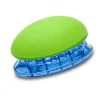
- Fortress Peanut Massage Ball
- Trigger Point Massage Ball
- Bodystance Backpod
Posture Support Category
Relevant products:
Reason:
Poor thoracic mobility and prolonged postures may contribute to increased mechanical stress through the upper back and rib cage.
Costochondritis and Posture
Posture is sometimes discussed in relation to rib and chest-wall pain. However, there is no single “bad posture” that can be assumed to be the cause of costochondritis. A more useful approach is to consider whether prolonged positioning, limited movement or a particular activity consistently aggravates symptoms. Regular movement, appropriate exercise and an ergonomic environment can be useful components of overall musculoskeletal health. If posture or prolonged sitting contributes to your symptoms, explore our Posture & Ergonomics resources for practical strategies.
Frequently Asked Costochondritis & Rib Pain Questions
What is costochondritis?
Costochondritis is inflammation or irritation involving the cartilage connecting the ribs to the sternum. It can cause localised chest-wall pain and tenderness and may become worse with movement, coughing, sneezing or deep breathing.
What does costochondritis pain feel like?
Costochondritis may cause sharp, aching or tender pain around the front of the chest, commonly close to the breastbone. Pain can sometimes increase with movement, deep breathing or pressure over the affected area.
Can costochondritis cause rib pain?
Yes. Costochondritis can produce pain around the ribs and the junction between the ribs and sternum. However, not all rib pain is caused by costochondritis.
Can costochondritis cause pain when breathing?
It can. Deep breathing moves the rib cage and may increase pain from an irritated chest wall. However, chest pain associated with breathing can also occur with other conditions, so it should not automatically be assumed to be costochondritis.
How long does costochondritis last?
Many cases improve within several weeks, although symptoms can sometimes last longer. Recovery varies between individuals.
What causes costochondritis?
The exact cause is often unclear. Potential triggers include chest injury, repetitive upper-body activity, heavy lifting, coughing and infection.
Can a chiropractor treat costochondritis?
After appropriate medical assessment has excluded serious causes of chest pain, conservative musculoskeletal care may be appropriate for some people. A chiropractor may assess the thoracic spine, ribs, movement patterns and surrounding musculature and develop an appropriate rehabilitation strategy.