Coccyx Pain: Symptoms, Causes, Diagnosis & Treatment
Coccyx pain, also known as coccydynia or coccygodynia, refers to pain in and around the tailbone at the base of the spine.
For some people, coccyx pain is relatively mild and settles within a few weeks. For others, it can become persistent and make everyday activities such as sitting, driving, working, exercising and getting up from a chair surprisingly difficult.
Coccyx pain is often associated with a fall or direct impact, but trauma is not the only possible cause. Changes in coccyx movement, prolonged sitting, childbirth, local tissue irritation and other pelvic or spinal conditions can contribute.
At Vitality Chiropractic Australia in Mill Park, Melbourne, we assess people with coccyx and lower pelvic pain to help determine whether the symptoms appear consistent with a musculoskeletal presentation and whether conservative care is appropriate.
Importantly, pain around the tailbone is not always caused by the coccyx itself. A careful assessment is therefore important, particularly when symptoms are persistent, severe or associated with other concerning symptoms.
What Is The Coccyx?
The coccyx is the small, triangular structure at the very bottom of the spine. It is commonly referred to as the tailbone.
The coccyx is made up of several small vertebral segments and forms attachment points for muscles, ligaments and connective tissues around the pelvis. Although relatively small, the coccyx is involved in the mechanics of sitting and provides attachment for structures that contribute to pelvic stability and movement.
Coccyx pain is therefore not necessarily a simple “bone problem”. Pain can arise from the coccyx itself or from tissues and structures surrounding it.
What Is Coccydynia?
Coccydynia is the medical term commonly used to describe pain localised to the coccyx. A classic feature is pain that becomes worse with:
- Sitting
- Leaning backwards while sitting
- Moving from sitting to standing
- Prolonged sitting
- Direct pressure on the tailbone
- Certain movements of the pelvis
Some people experience pain that radiates into the:
- Buttocks
- Sacrum
- Lower back
- Pelvic region
Pain may feel:
- Aching
- Sharp
- Burning
- Throbbing
- Tender
- Bruised
- Pressure-sensitive
The severity can range from mild discomfort to severe, persistent pain that substantially affects quality of life.
Coccyx Pain Symptoms
The symptoms of coccydynia can vary depending on the underlying cause.
Pain When Sitting
This is one of the most characteristic symptoms. Pain may become worse when sitting for extended periods, particularly on hard surfaces. Some people find that sitting slightly forward or leaning to one side reduces pressure on the coccyx.
Pain When Standing Up
Moving from sitting to standing can produce a sharp increase in pain. This is often because the movement changes the position and loading of the pelvis and coccyx.
Localised Tailbone Tenderness
The area around the coccyx may feel particularly tender when pressure is applied.
Pain During Driving
Long periods of sitting in a car can aggravate coccyx pain. This can become particularly problematic for people whose work involves prolonged driving.
Pain During Bowel Movements
Some people experience increased coccyx or pelvic pain during bowel movements. This can occur because of the close anatomical relationship between the coccyx, pelvic floor and surrounding structures. However, significant or new pain associated with bowel symptoms should be medically assessed rather than automatically attributed to coccydynia.
Pain During Sexual Activity
Some people with persistent coccyx or pelvic pain report discomfort during sexual activity. This may reflect involvement of surrounding pelvic floor or pelvic structures rather than the coccyx alone.
What Causes Coccyx Pain?
There are many possible causes.
Falling Directly Onto the Tailbone
A backward fall onto a hard surface is one of the classic causes.
Examples include:
- Falling down stairs
- Falling while skating
- Falling while skiing or snowboarding
- Falling from a bicycle
- Sports injuries
- Slipping on a wet surface
A direct impact can bruise the surrounding tissues, irritate the joint or, less commonly, cause a fracture or dislocation.
Prolonged Sitting
Extended sitting can place sustained pressure on the coccyx. This may be particularly relevant for people who:
- Work at a desk
- Drive for long periods
- Travel frequently
- Study for extended periods
- Spend significant time gaming
Prolonged sitting does not necessarily mean the coccyx is “out of alignment”. Rather, sustained loading and individual anatomy can influence how the coccyx and surrounding tissues tolerate pressure.
Repetitive Loading
Activities that repeatedly load the pelvis or coccyx may contribute to symptoms in susceptible individuals. This can include certain:
- Cycling activities
- Rowing
- Horse riding
- Gym exercises
- Contact sports
Pregnancy and Childbirth
Pregnancy can alter pelvic mechanics and place increased demands on the structures around the coccyx. During childbirth, the coccyx may move backwards to accommodate the passage of the baby. Some women develop coccyx pain during pregnancy or following delivery. Persistent post-partum coccyx pain deserves assessment rather than simply being assumed to be a normal consequence of childbirth.
Changes in Body Weight
Changes in body composition can alter the amount and distribution of pressure around the pelvis when sitting. Both substantial weight gain and significant weight loss may change how the coccyx is loaded.
Coccyx Mobility
The coccyx is not completely immobile. In some people, excessive or restricted movement of the coccyx may contribute to mechanical pain. Dynamic imaging can sometimes be considered in persistent cases where abnormal coccygeal mobility is suspected.
Degenerative Changes
Degenerative changes involving the sacrococcygeal region may contribute to symptoms in some individuals. However, degenerative findings should always be interpreted alongside symptoms and examination findings. A scan showing “wear and tear” does not automatically establish that the coccyx is the source of pain.
Types of Coccyx Pain
Coccyx pain can broadly be considered according to its presentation and likely cause.
Traumatic Coccydynia
This develops following an injury such as a fall or direct impact.
Non-Traumatic Coccydynia
Some people develop coccyx pain without a specific injury. Possible contributors include prolonged sitting, repetitive loading, anatomical factors or changes in coccyx mobility.
Post-Partum Coccydynia
Pain can develop during or after pregnancy and childbirth.
Acute Coccydynia
Symptoms have developed relatively recently, often following an identifiable aggravating event.
Chronic Coccydynia
Pain persists for an extended period and begins to interfere with normal activities. Chronic coccydynia can be particularly challenging because persistent pain may involve multiple contributing factors rather than a single injured structure.
Coccyx Pain After a Fall
A fall directly onto the tailbone can cause significant pain. The injury may involve:
- Soft-tissue bruising
- Ligament irritation
- Joint irritation
- Coccygeal displacement
- Fracture
- Injury to surrounding structures
Not every painful tailbone following a fall is fractured. Conversely, severe pain following significant trauma should not simply be assumed to be a minor musculoskeletal injury. Medical assessment may be appropriate after significant trauma, particularly where there is severe pain, neurological symptoms or difficulty with normal function.
Coccyx Pain After Childbirth
Coccyx pain following childbirth can occur because of the substantial mechanical forces placed on the pelvis during delivery.
Factors that may contribute include:
- Difficult or prolonged labour
- Instrument-assisted delivery
- Large baby
- Multiple births
- Previous coccyx injury
- Individual pelvic anatomy
If pain persists after childbirth, assessment can help distinguish coccyx-related pain from other causes of pelvic or lower-back pain.
Is Coccyx Pain The Same As Lower Back Pain?
No. The coccyx sits at the bottom of the spine, but coccyx pain and lower-back pain are not the same condition. However, the two can occur together.
For example, a person may have any of the following at the same time:
- Lumbar spine pain
- Sacroiliac-region pain
- Coccyx pain
- Pelvic floor dysfunction
This is why identifying the precise location and behaviour of the pain is important. See our lower back pain page for more information about lumbar spine pain.
What Else Can Cause Pain Near The Tailbone?
Not every case of “tailbone pain” is coccydynia. Other possible causes include:
Lumbar Spine Conditions
Pain from the lower back can sometimes be perceived around the sacrum or buttocks, like that of Sciatica.
Sacroiliac Joint Pain
Pain from the sacroiliac region can sometimes be felt close to the lower sacrum and buttocks.
Pelvic Floor Dysfunction
The pelvic floor attaches to and interacts with structures around the coccyx. Pelvic floor dysfunction can contribute to pain in the coccygeal region.
Muscle and Soft-Tissue Pain
Muscles around the pelvis and buttocks can refer pain towards the tailbone.
Pilonidal Disease
A pilonidal cyst or abscess near the top of the buttock cleft can cause localised pain, swelling, redness or drainage. This is not the same as coccydynia and may require medical treatment.
Infection
Infection around the sacrococcygeal region is uncommon but important to identify.
Tumour or Other Serious Pathology
Rarely, persistent coccygeal pain may be associated with serious underlying pathology. This is one reason persistent or unexplained pain should not automatically be labelled as mechanical.
How Is Coccyx Pain Diagnosed?
Diagnosis begins with a detailed history and physical examination.
Your clinician may ask about:
- How the pain started
- Previous falls or injuries
- Pregnancy and childbirth
- Sitting tolerance
- Pain when standing from a chair
- Bowel symptoms
- Bladder symptoms
- Neurological symptoms
- Previous spinal problems
- Changes in pain over time
- Work and sporting activities
The physical examination may assess:
- Local tenderness
- Coccyx and sacral region
- Lumbar spine
- Pelvis
- Hip movement
- Neurological function
- Relevant muscles and soft tissues
- Movement patterns
- Sitting and standing mechanics
The goal is to determine whether the symptoms are consistent with a musculoskeletal presentation and whether additional investigation or referral is appropriate.
Do You Need an X-Ray or MRI?
Not everyone with coccyx pain requires imaging. Imaging decisions depend on the history and clinical findings. Plain X-rays may be considered where there is concern about trauma or another structural abnormality. In persistent mechanical cases, dynamic sitting and standing X-rays can sometimes be useful for assessing abnormal coccygeal mobility.
MRI or CT may be considered when there is:
- Significant trauma
- Suspicion of fracture or other structural pathology
- Red-flag symptoms
- Suspicion of infection
- Suspicion of tumour
- Unexplained persistent symptoms
- Inconclusive initial assessment
Recent reviews recommend reserving advanced imaging for selected presentations rather than routinely scanning every patient with coccyx pain.
Coccyx Pain Treatment
Treatment depends on the cause, severity and duration of symptoms. For many people, initial management is conservative. A comprehensive treatment plan may include:
- Education
- Pressure reduction
- Seating modifications
- Activity modification
- Exercise rehabilitation
- Manual therapy where appropriate
- Pelvic and hip rehabilitation
- Medical pain management
- Referral for injection procedures when indicated
Recent evidence supports beginning with conservative strategies, including education, ergonomic advice, offloading and physiotherapy.
The Importance Of Reducing Pressure On The Coccyx
One of the simplest strategies for irritated coccyx pain is to reduce unnecessary pressure.
This may involve:
- Changing sitting position
- Taking regular standing breaks
- Avoiding hard chairs
- Using an appropriate coccyx cushion
- Adjusting car seating
- Avoiding prolonged sitting during an acute flare
The goal is not necessarily to avoid sitting completely. Instead, the objective is to gradually restore comfortable sitting tolerance while reducing excessive aggravation.
Coccyx Cushions
A suitable cushion can be one of the most useful practical tools for people with coccyx pain. A cushion should help offload pressure from the painful area while allowing a comfortable sitting position. A cut-out or coccyx-relief cushion may be appropriate for some people. However, cushions are not universally suitable, and the ideal design depends on the individual’s symptoms, anatomy and sitting environment.
Recommended Vitality Chiropractic Australia Products
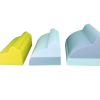
This type of seating support can be useful for reducing direct pressure on the coccyx while sitting.
Coccyx Pain Exercises
Exercise should be tailored to the individual. Depending on the presentation, rehabilitation may include:
Gentle Hip Mobility
Restricted hip movement can alter pelvic movement and sitting mechanics.
Gluteal Strengthening
Progressive strengthening can help restore general pelvic and lower-limb capacity.
Core and Trunk Conditioning
Appropriate trunk conditioning can help improve overall load tolerance.
Pelvic Floor Rehabilitation
Where pelvic floor involvement is suspected, assessment and treatment by an appropriately trained pelvic health physiotherapist may be appropriate.
Gradual Sitting Exposure
For persistent pain, progressively increasing comfortable sitting tolerance may be more useful than prolonged avoidance. Exercises should not repeatedly provoke significant coccyx pain.
Can Chiropractic Help Coccyx Pain?
Chiropractic care may form part of conservative management for selected cases of coccyx and surrounding pelvic pain.However, treatment should be based on the individual’s presentation rather than assuming that the coccyx is simply “out of alignment.” Depending on the assessment, care may include:
Manual Therapy
Appropriate mobilisation or manual techniques may be used around the lumbar spine, pelvis, hips and surrounding soft tissues where clinically indicated.
Soft-Tissue Techniques
Treatment may address relevant muscles and soft tissues contributing to movement restriction or local sensitivity.
Exercise Rehabilitation
A progressive rehabilitation program may address:
- Hip mobility
- Pelvic control
- Gluteal strength
- Trunk capacity
- General movement tolerance
Sitting and Ergonomic Advice
Practical modifications can help reduce repeated aggravation during work, driving and daily activities.
Education
Understanding the likely contributors to your symptoms can help reduce fear and improve confidence with gradual return to normal activity. Evidence from recent systematic reviews suggests that several physiotherapy-based interventions, including manipulation, massage/stretching approaches and exercise-based strategies, can improve pain or function in the short term, although the evidence base remains heterogeneous and higher-quality long-term research is still needed.
When Should You See A Doctor About Coccyx Pain?
Medical assessment is recommended when coccyx pain is:
- Severe
- Persistent
- Progressively worsening
- Associated with significant trauma
- Associated with unexplained weight loss
- Associated with fever
- Associated with swelling or redness
- Associated with drainage from the skin
- Associated with significant bowel or bladder changes
- Associated with neurological symptoms
- Not improving despite appropriate conservative management
Particular attention should be given to symptoms that do not behave like typical mechanical coccyx pain. Serious conditions affecting the coccygeal region are uncommon, but persistent unexplained pain should be investigated appropriately.
Coccyx Pain Red Flags
Seek prompt medical assessment if coccyx or sacral pain occurs with:
- Fever or systemic illness
- Significant unexplained weight loss
- Night pain that is severe or unexplained
- New bowel or bladder dysfunction
- Saddle-area numbness
- Progressive leg weakness
- Significant neurological changes
- A history of cancer
- Immunosuppression
- Significant trauma
- Increasing redness, swelling or drainage around the cleft
These features do not necessarily mean that something serious is occurring, but they warrant appropriate medical assessment.
What Can You Do for Coccyx Pain At Home?
If your symptoms have been assessed as appropriate for conservative care, you may find the following strategies useful.
Reduce Prolonged Sitting
Stand and move regularly rather than remaining seated for long uninterrupted periods.
Use a Suitable Cushion
A coccyx-relief cushion can reduce direct pressure while sitting.
Avoid Hard Surfaces
Hard chairs and benches may aggravate an irritated coccyx.
Modify Driving
Adjust the seat and consider a suitable cushion if driving increases symptoms.
Keep Moving
Complete rest is rarely necessary. Gentle movement within comfortable limits can help maintain general physical capacity.
Gradually Return to Normal Activity
As symptoms settle, gradually increase sitting, exercise and other activities rather than remaining overly protective of the area.
How Long Does Coccyx Pain Take To Heal?
Recovery varies considerably. Some acute cases improve within several weeks. Others can persist for months, particularly where there has been significant trauma or where contributing factors remain. Persistent coccydynia can be difficult to manage and may require a combination of conservative and, occasionally, interventional treatments. The most important factors are identifying the likely pain source, reducing aggravating loads and progressively restoring function.
What If Conservative Treatment Doesn’t Work?
Most people with coccyx pain do not require surgery. For persistent symptoms that have not responded adequately to conservative management, a medical pain specialist or other appropriate specialist may consider:
- Local corticosteroid injections
- Ganglion impar blocks
- Other image-guided procedures
- Radiofrequency procedures
- Specialist pelvic-floor management
- Surgical assessment in highly selected cases
These treatments are generally considered after appropriate assessment and failure of less invasive strategies. Coccygectomy, or surgical removal of part or all of the coccyx, is reserved for a small proportion of people with severe, chronic and function-limiting symptoms that have not responded to appropriate conservative and interventional management.
When Should You See A Chiropractor for Coccyx Pain?
A chiropractic assessment may be appropriate if you have:
- Persistent tailbone pain
- Pain when sitting
- Pain when standing from a chair
- Coccyx pain following prolonged sitting
- Coccyx pain after an old injury
- Mechanical pelvic or lower-back symptoms associated with sitting
- Difficulty returning to exercise because of coccyx discomfort
However, severe trauma, unexplained persistent pain, neurological symptoms, bowel or bladder changes, fever, swelling or other red flags should be medically assessed.
Coccyx Pain Treatment In Melbourne
Vitality Chiropractic Australia provides assessment and conservative management for suitable musculoskeletal presentations involving the coccyx, pelvis and lower back. Our clinic is located in Mill Park, Melbourne. Our approach is focused on identifying the likely contributors to your symptoms and developing an appropriate plan rather than assuming that all coccyx pain has the same cause.
Book A Coccyx Pain Assessment
Persistent tailbone pain can make sitting, working, driving and exercising difficult. If you are experiencing coccyx pain and would like to determine whether your symptoms are suitable for conservative musculoskeletal care, Vitality Chiropractic Australia can assess your presentation and recommend the appropriate next step.
Vitality Chiropractic Australia
Mill Park, Melbourne
Call 1300 003 777 or book an appointment online.
What does coccyx pain feel like?
It may feel aching, sharp, burning, bruised or pressure-sensitive. It is commonly worse when sitting or moving from sitting to standing.
Why does my coccyx hurt when I sit?
Sitting places direct and sustained pressure through the pelvis and coccyx. Individual anatomy, coccyx mobility, previous trauma and surrounding tissue sensitivity can influence how much discomfort this creates.
Can coccyx pain be caused by sitting too much?
Prolonged sitting can contribute to or aggravate coccyx pain, particularly when combined with sustained pressure or poor tolerance to the sitting position.
Can you fracture your coccyx?
Yes. A significant impact can fracture or otherwise injure the coccyx. However, severe pain following a fall does not automatically mean that a fracture has occurred.
Important Information
The information on this page is provided for general educational purposes and is not a substitute for individual medical assessment or diagnosis.
Coccyx pain has a number of possible causes. Persistent, severe, unexplained or progressively worsening symptoms should be assessed by an appropriately qualified healthcare professional.