
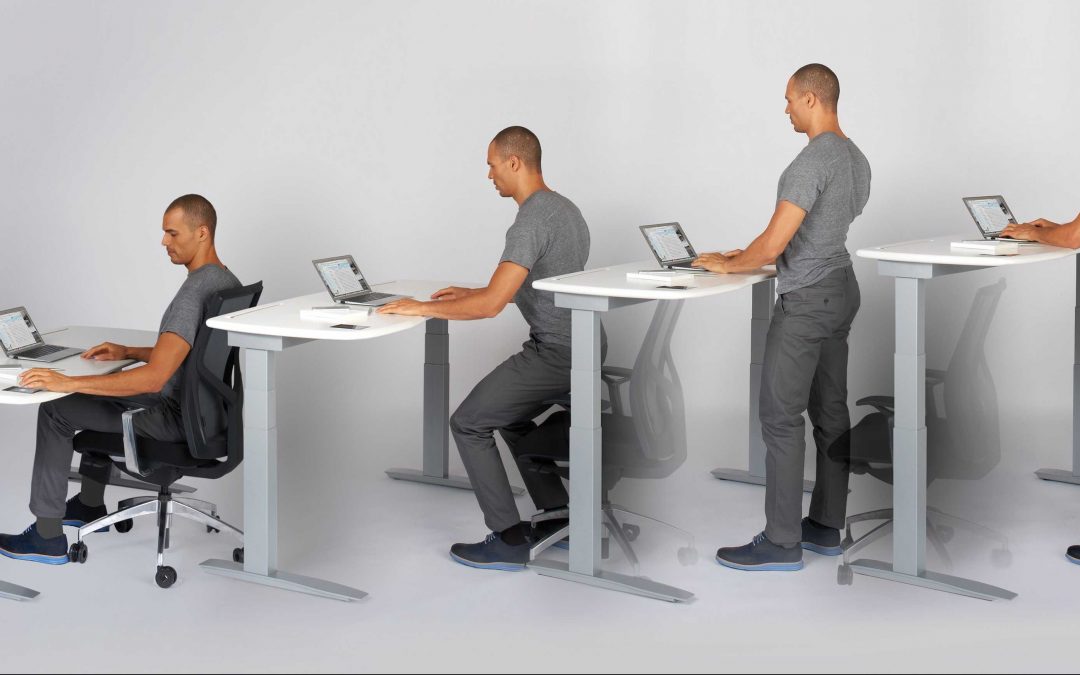
The Benefits of Standing Desks for Office Workers: A Chiropractor’s Perspective
At Vitality Chiropractic Australia, we frequently consult with individuals leading sedentary lifestyles, often due to prolonged sitting at work. Many of our patients experience neck pain from sitting too long, shoulder discomfort, chronic headaches, and postural stress caused by extended hours behind a computer. Fortunately, chiropractic care offers effective solutions for these musculoskeletal issues, helping patients restore mobility and reduce pain. However, prevention is just as critical as treatment, and one tool gaining popularity is the standing desk for office workers. In this article, we’ll explore why standing desks can be a game-changer for your health and how consulting a chiropractor can optimize your workplace wellness.
The Health Risks of Prolonged Sitting
Research has dubbed prolonged sitting “the new smoking” due to its detrimental effects on health. Studies, such as those from the Mayo Clinic, highlight that extended sitting increases risks of high blood pressure, heart disease, obesity, and poor posture. Office workers, who often spend over 8 hours sitting daily, are particularly vulnerable to these issues. Common complaints include:

  • Chronic back pain from poor posture
  • Neck stiffness from prolonged sitting
  • Shoulder tension from desk work
  • Headaches caused by forward head posture
  • Reduced circulation leading to fatigue

As awareness grows about the dangers of a sedentary office lifestyle, more people are seeking solutions like adjustable standing desks and ergonomic workplace setups to combat these risks.

Why Consider a Standing Desk?
A sit-stand desk allows you to alternate between sitting and standing throughout the workday, promoting incidental movement, improving posture, and reducing strain on your spine. Here’s why you should discuss standing desks for workplace health with your employer:

  1. Relieve Chronic Musculoskeletal Pain
    Prolonged sitting can lead to lower back pain from sitting and neck strain from computer work. A standing desk encourages better spinal alignment and reduces pressure on your joints.
  2. Improve Posture Naturally
    Poor posture is a leading cause of discomfort in office workers. Standing desks for better posture help you maintain a neutral spine, reducing the risk of forward head posture and slouched shoulders.
  3. Boost Energy and Productivity
    Standing periodically improves blood flow, reduces fatigue, and enhances focus. According to Harvard Health, standing desks can increase energy levels and productivity.
  4. Support Weight Management
    Standing burns more calories than sitting, aiding in weight loss for office workers. Incorporating movement into your routine can contribute to long-term health benefits.
  5. Reduce Cardiovascular Risks
    Prolonged sitting is linked to high blood pressure and an increased risk of heart disease. A height-adjustable desk promotes movement, helping to maintain healthy circulation.

Questions to Ask Yourself

If you’re considering a standing desk, reflect on these questions:

  • Are you experiencing chronic neck pain from desk work?
  • Do you struggle with persistent poor posture at your workstation?
  • Is it challenging to take regular breaks from your desk?
  • Are you sitting for 8+ hours daily?
  • Do you have concerns about high blood pressure or other health risks?

If you answered “yes” to any of these, a standing desk for back pain relief could be a valuable addition to your workspace.

How to Transition to a Standing Desk
Switching to a sit-stand workstation is a great step, but proper use is key to maximizing benefits. Here are some tips from our chiropractors at Vitality Chiropractic Australia:

  1. Start Gradually
    Begin by standing for 20-30 minutes every hour and gradually increase standing time to avoid fatigue.
  2. Invest in Ergonomic Accessories
    Pair your standing desk with an anti-fatigue mat and ensure your monitor is at eye level to prevent neck strain from standing desks.
  3. Maintain Proper Posture
    Stand with your shoulders relaxed, knees slightly bent, and weight evenly distributed. Avoid leaning on the desk, which can cause strain.
  4. Consult a Chiropractor
    A chiropractic assessment can identify specific postural corrections for office workers and recommend tailored adjustments to your workspace.
Why Choose Vitality Chiropractic Australia?
We specialize in addressing musculoskeletal pain from sedentary work and helping patients achieve optimal health. Our chiropractors can:

  • Conduct ergonomic workplace assessments to ensure your desk setup supports your spine.
  • Provide personalized advice on using a standing desk for spinal health.
  • Offer treatments to alleviate back pain from prolonged sitting and improve mobility.
  • Discuss workplace wellness options with your employer to promote a healthier office environment.

Ready to take the next step? Contact us at 1300-003-777 to schedule a consultation or discuss standing desks for office ergonomics during your next visit.

Final Thoughts
Incorporating a standing desk for workplace wellness can transform your health by reducing the risks of a sedentary lifestyle. Combined with regular chiropractic care, it’s a powerful way to address chronic pain from desk jobs, improve posture, and enhance overall well-being. Visit Vitality Chiropractic Australia to learn how we can support your journey to a healthier, more active workday.
CALL NOW: 24/7, 365 DAYS A YEAR